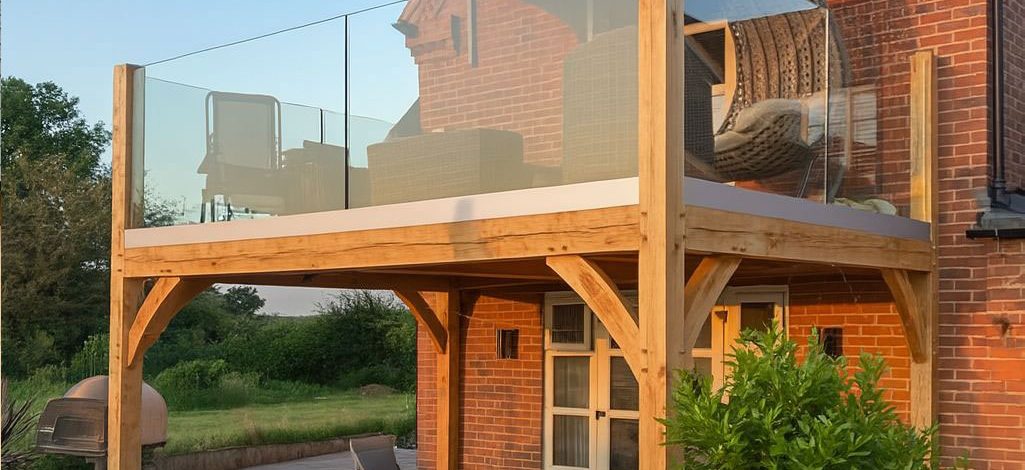
There’s a reason people fall in love with period homes. Whether it’s a centuries-old farmhouse, a Georgian townhouse or a cosy country cottage, older properties have a warmth and personality that’s difficult to recreate. The downside? They weren’t built for modern family life.
Smaller kitchens, separate dining rooms and darker interiors can make everyday living feel a little cramped. Thankfully, creating a brighter, more open space doesn’t have to mean stripping away the character that made you buy the house in the first place.
With thoughtfully designed bespoke oak frame extensions, you really can have the best of both worlds.
Old Meets New Beautifully
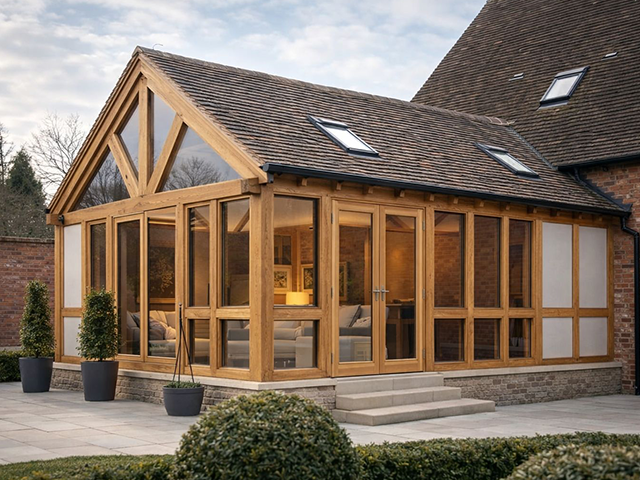
One of the biggest worries homeowners have is that an extension will look exactly that, like an extension.
A modern glass box might suit a contemporary home, but attached to a period property, it can sometimes feel out of place. Oak is different. It’s been used in British buildings for hundreds of years, so it naturally sits alongside traditional stone, brick and timber.
Instead of trying to copy the original house exactly, an oak-framed extension complements it. The exposed beams add plenty of character while still making it obvious where the old building ends and the new space begins.
More Space Without Losing the Charm
Most families today want one room that does everything. Somewhere to cook, eat, chat, help with homework, entertain friends and relax at the end of the day.
Older homes weren’t usually designed with that in mind.
An oak-framed extension opens everything up, creating a large, welcoming space filled with natural light. High ceilings, generous glazing and beautiful oak beams make the room feel airy, but never cold or clinical. It still has that cosy feel you’d expect from a traditional property.
It’s modern living without sacrificing the soul of the house.
Oak Only Gets Better With Time
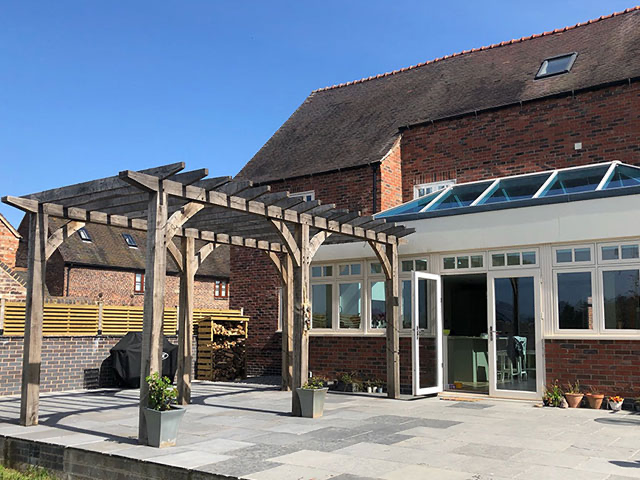
One of the lovely things about oak is that it doesn’t lose its appeal as the years go by.
Fresh oak has a warm honey colour, but over time it slowly matures, developing a softer silver-grey finish that blends effortlessly with older buildings. Rather than looking dated after a few years, it simply becomes part of the home’s story.
Inside, those exposed beams become a feature in their own right. They bring texture, warmth and craftsmanship into the room without needing lots of extra decoration.
Let the Light In
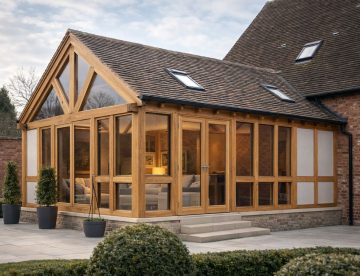
If your dream is a bright kitchen overlooking the garden or somewhere peaceful to enjoy your morning coffee, an oak-framed orangery is well worth considering.
Large windows and glazed roofs allow daylight to pour in throughout the year, making the space feel completely different from the older parts of the house while still complementing them perfectly.
It’s often these rooms that quickly become everyone’s favourite place to spend time.
Every Home Deserves Its Own Design
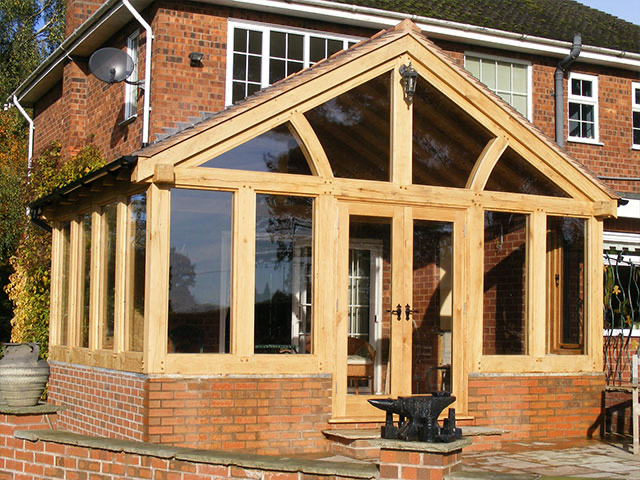
No two period properties are the same, so there isn’t a one-size-fits-all approach.
Experienced oak frame builders take the time to understand the existing building before designing an extension that feels right for it. The roof pitch, window placement, proportions and detailing all work together to create something that looks as though it belongs.
When it’s done well, visitors often assume the extension has always been there.
A Home That Works for Today’s Lifestyle
A period property shouldn’t mean compromising on modern comforts. Whether you’re dreaming of a larger kitchen, an open-plan family room or a light-filled garden space, an oak-framed extension allows you to enjoy contemporary living while celebrating the history of your home.
The right design won’t compete with the original building, it’ll simply help it evolve for the next generation.
If you’re considering an oak extension for your property, take a look at the handcrafted projects at WMOakFrame for inspiration and discover how traditional craftsmanship can transform the way you live.